Websites Built
to
Last and Load Fast
Custom builds, ecommerce and CMS work — written by the same team that designed them, so what ships is what you approved, and it stays fast once real traffic finds it.


Is Your Build
Holding You Back?
When a site is slow, brittle or impossible to change without calling a developer, the problem is rarely the design — it is what was built underneath it.
The Site Loads Too Slowly
Heavy pages, uncompressed images and scripts fetching things nobody asked for. Every extra second costs you visitors — and since Google started measuring it, rankings as well.
Nothing Can Be Changed Safely
Every small edit needs a developer, and each one risks breaking something else. A site nobody dares touch is a site that quietly goes out of date.
It Breaks On Real Devices
It looked right on the machine it was built on. On an older phone, a narrow window or a slow connection, things overlap, overflow, or never arrive at all.
Plugins Doing The Heavy Lifting
Fifteen plugins stacked up to cover what a hundred lines of code would do properly — and every one of them is a dependency, an update and a security hole in waiting.
The Business Impact of
a Solid Build
How a site is built decides what it costs to run, how fast it loads and how much you can change without paying someone. Get that right once and it keeps paying you back. Software with logins, roles and a database is a different job — that is web app development.

Web Development
Custom front-ends, CMS builds and integrations, written to be read and maintained by whoever opens the file next.
Yours
The repository, the hosting and the domain are set up in your name and handed over at launch.
Agreed
Before a line is writtenSettle It Before The Build
Decisions settled before the build are decisions nobody has to unpick later. Fewer rebuilds mid-sprint, fewer surprises the week before launch.
View Our WorkPlanning That Earns Its Keep
We map the journey before we build it, so the structure answers a real question about what the site has to do — not a guess that gets rewritten in week three.
Structure FirstMap what the site has to do Real DevicesTested on what people actually useFast
Compressed images, no render-blocking scripts, and Core Web Vitals measured before the build goes live.
What Makes Our
Approach Different
Strategy, design and development sit in the same room, so problems get solved on the page rather than discovered in the build — and what ships works for the business as well as the people using it.
Designed Before Built
The design is agreed before the build starts, so nothing gets invented at the keyboard and nothing gets lost on the way from one to the other.
Component Architecture
Reusable components and a documented type and colour scale, so the tenth page costs a fraction of the first and still looks like it belongs.
Responsive & Tested
Desktop, tablet or phone, each layout is built for the screen rather than squeezed into it — and checked on real devices, not just a browser window dragged narrow.
Accessible By Default
Contrast, focus states and keyboard paths go in with the first commit, not as a retrofit — which is also what keeps the build defensible when someone audits it.
Code You Can Hand On
Named components, no dead files, and a comment wherever the reason is not obvious — so the next developer to open it does not have to reverse-engineer anything.
Post-Launch Support
Launch is the middle of the job, not the end. We stay on for the updates, the new pages and the problems that only turn up once real traffic arrives.
How We Bring
Your Build To Life
From the first conversation to a live site your team can keep running without calling us every week.
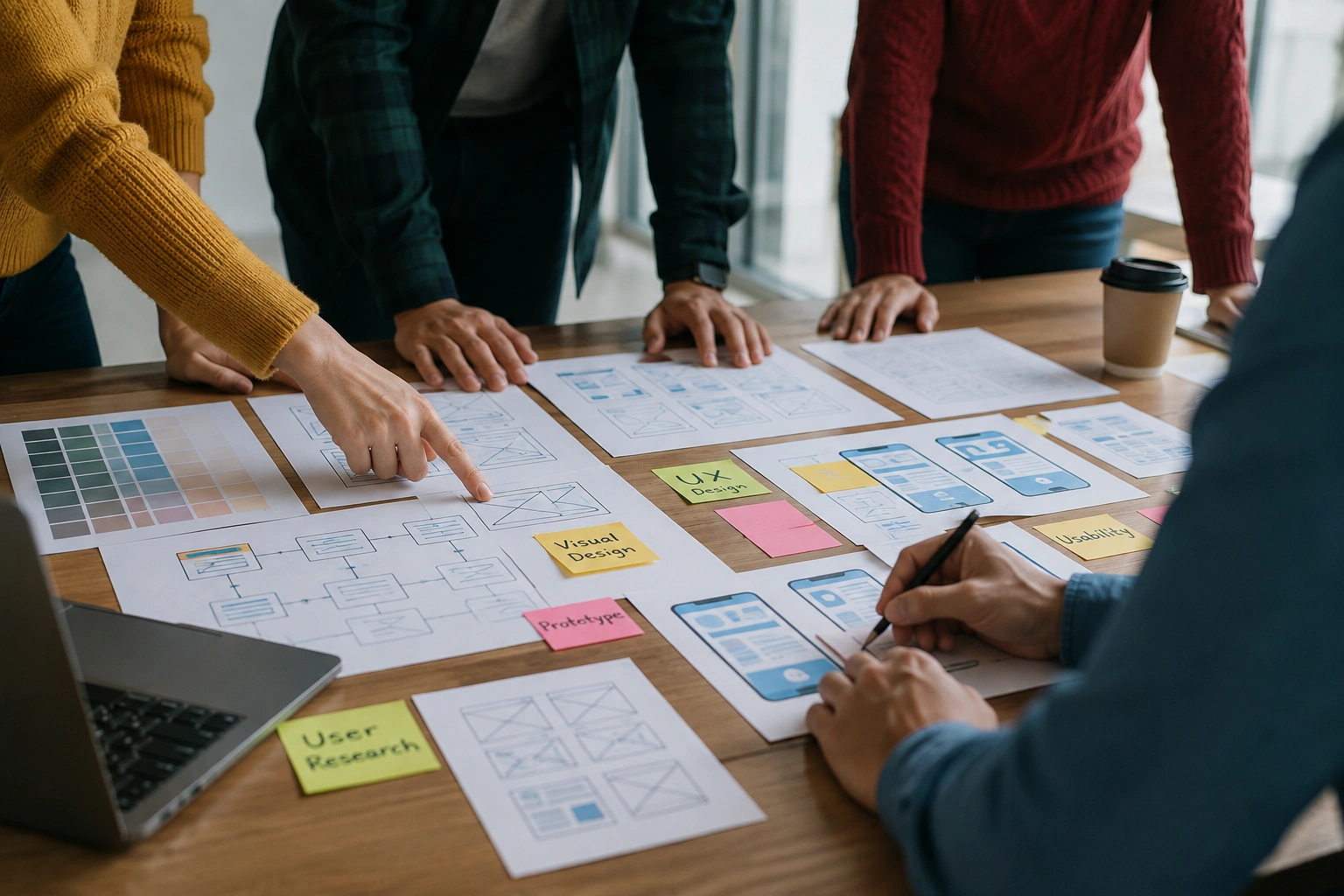
Book a callUnderstand the requirement
We learn what it has to do, what it has to talk to and what it has to survive — before anyone writes a line of it.

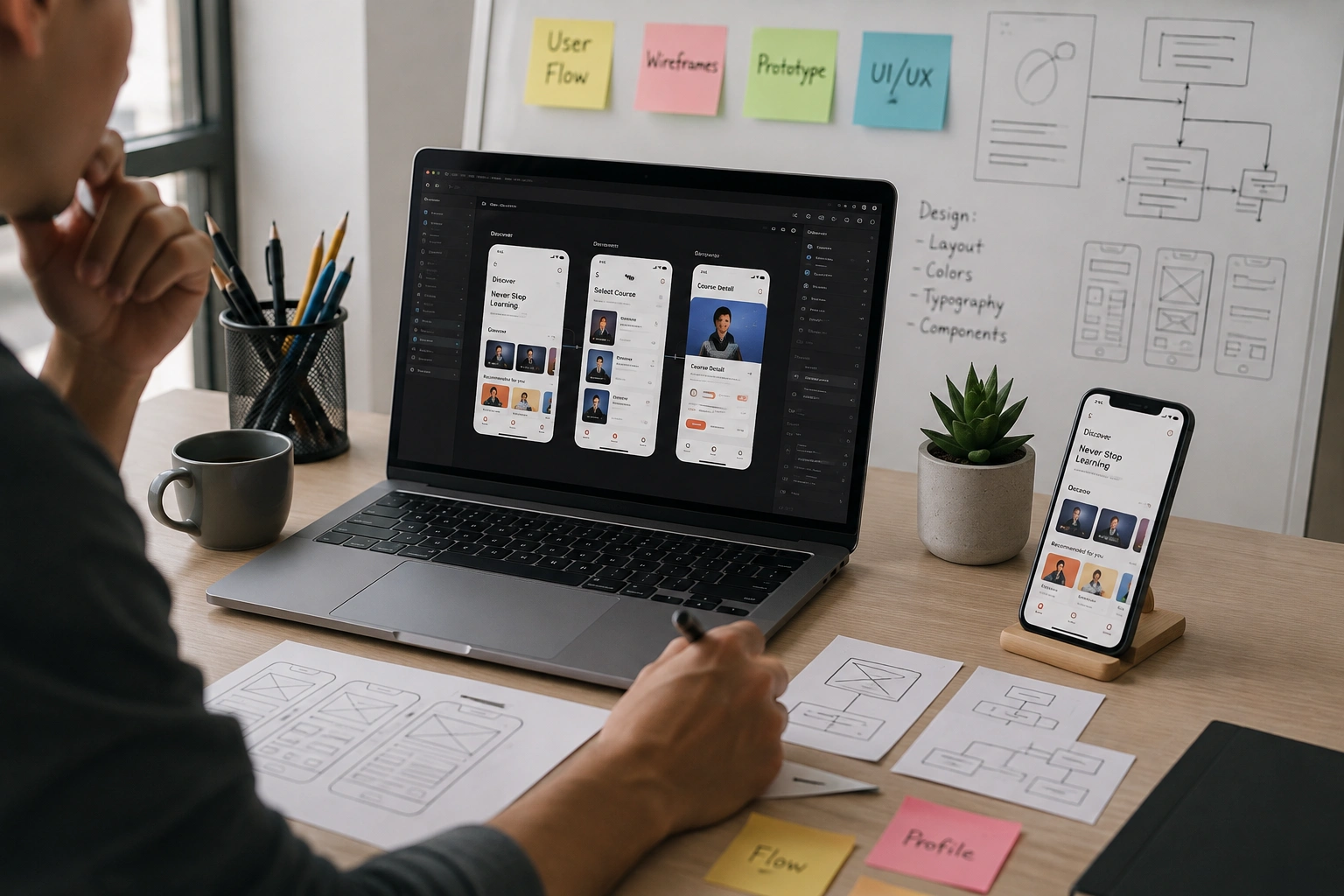
Plan the build
Stack chosen, integrations mapped and the data model settled, so the code that follows has something to answer to.
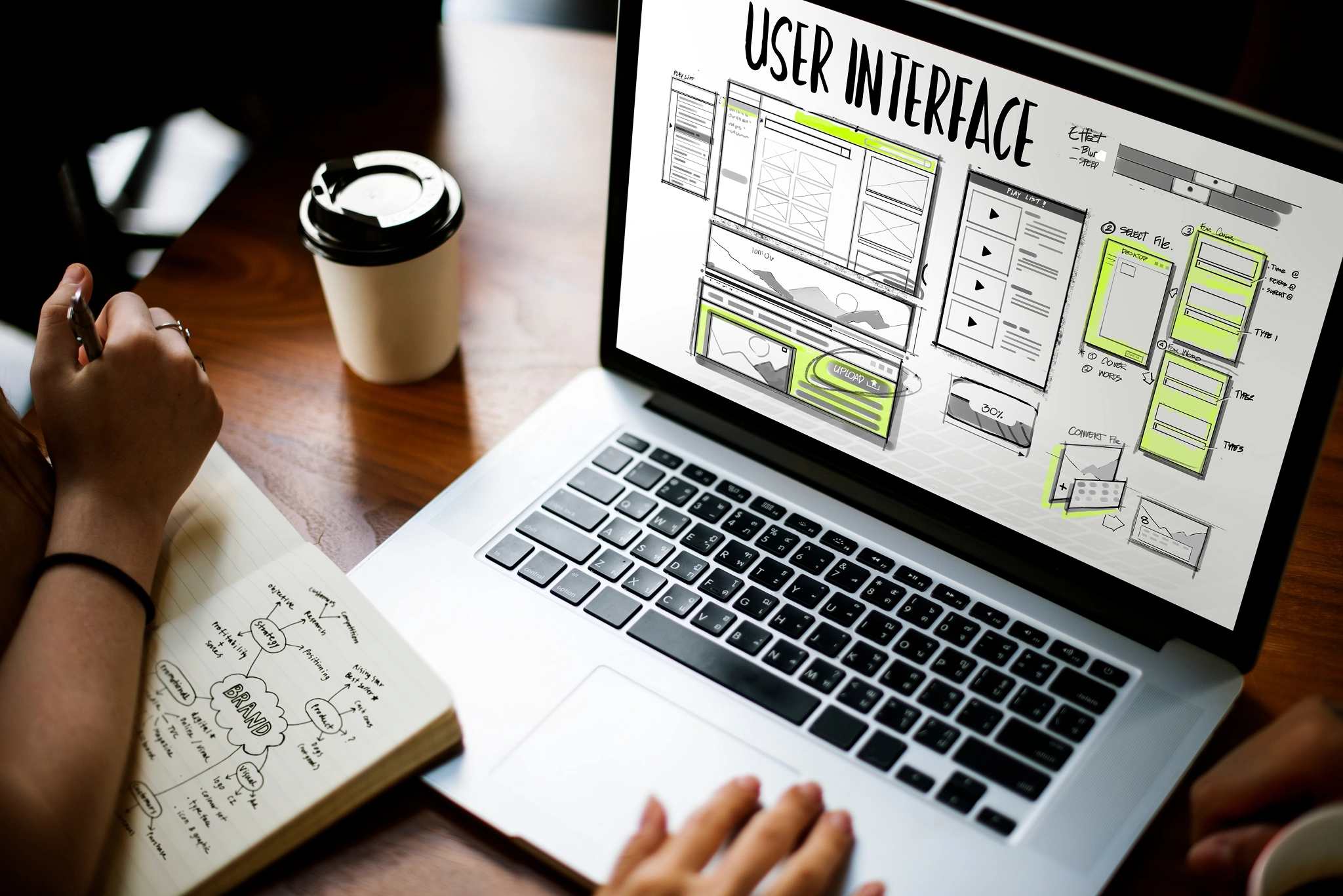
Build the site
Front end, back end and the joins between them — the stage where it stops being a design file and starts being a website.
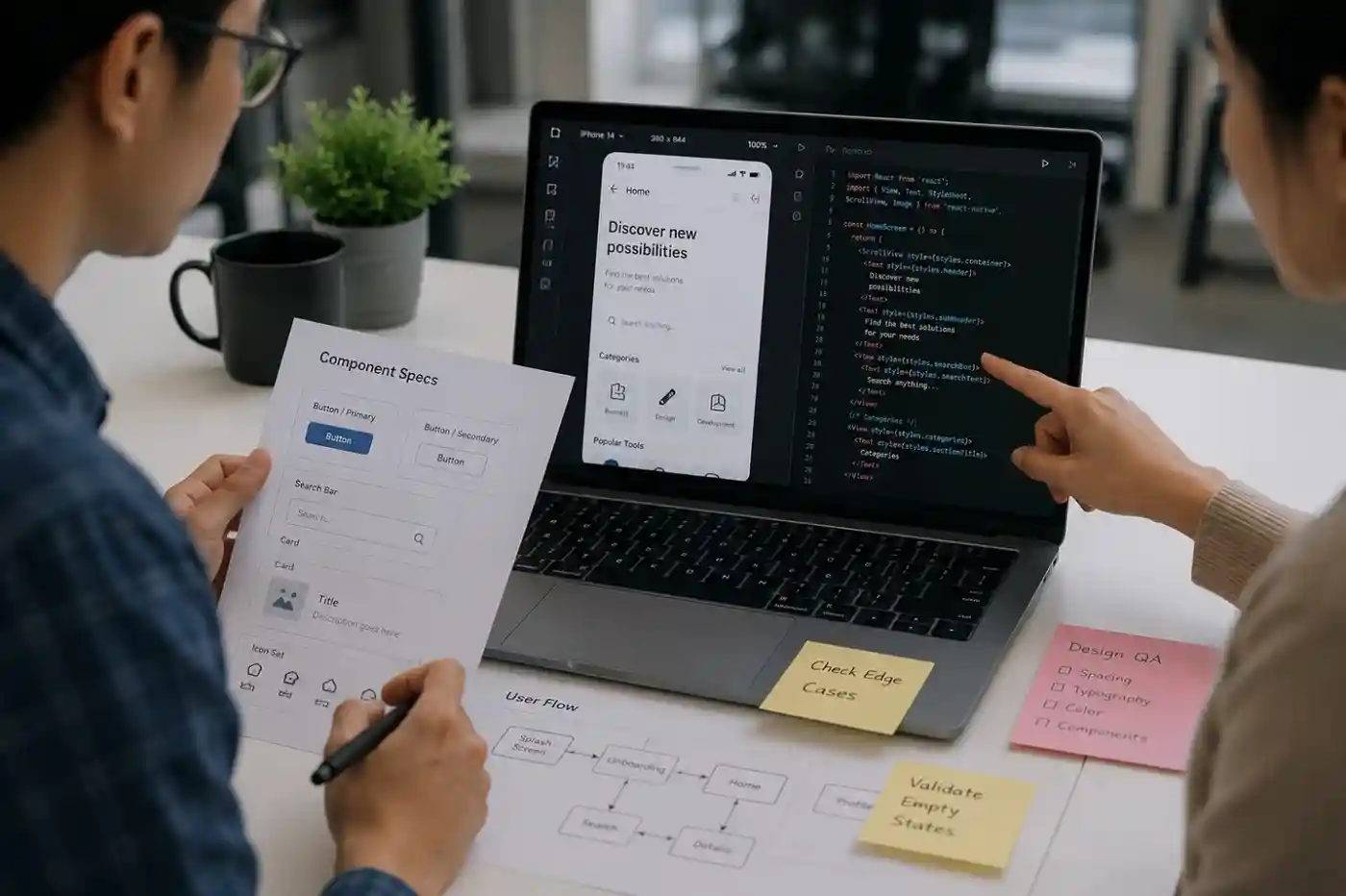
Test and harden
Every breakpoint checked on real devices, forms and edge cases exercised, and the performance budget held before anyone signs it off.
Launch and hand over
Deployed, analytics connected, and handed over with everything you need to run it yourself — plus us on the end of an email if you would rather not.
A Dev Team You Can
Always Rely On
Clean code is the easy part to promise. What you actually need is a team that understands the goal, says what it is doing, owns the result and hands you work you do not have to check.
Experienced Developers
A team that has shipped real websites since 2019, from the first commit through to the live site people actually use.

Outcome-Focused Approach
Your users, your goals and your commercial reality all sit in the brief, so every technical decision has a reason behind it.

Talk Directly To The Team
You speak to the people doing the work, not an account manager relaying it. Questions get answered by whoever wrote the code.
Flexible Engagement
A single project or ongoing monthly support — whichever suits where the site is and how fast it needs to move.
Clear From The Start
Every project is quoted as a fixed price before we start, so you know what is included and what it costs before any work begins.
Start With A Call
A free call first, to look at what you have and say plainly whether we are the right team for it — before anyone commits.
Sounds Like A
Good Fit?
Talk To Our Team
Got Questions?
We’ve Got Answers
If you are not sure where to start, or want to know whether this is the right fit, reach out and we will walk you through it.
Book an intro call
Let’s talk through your build, your timeline, and how Web{X} Studio can help.
What do you build websites with?
We pick the stack to fit the job rather than the other way round. A marketing site that has to load fast and rank does not need the same tooling as a web app with logins, roles and a database, and forcing one into the other is how projects get expensive.
Most work lands on a modern front end with a CMS your team can actually use, or a custom build where the requirement earns it. Whatever it runs on, you get told why before we start — not after.
How long does a web development project take?
A landing page is usually 1–2 weeks. A standard business site of six to ten pages is typically 3–5 weeks through design and build. An ecommerce store or a web app with logins, roles and a database runs 6–12 weeks depending on how much has to be built rather than configured.
You get a written milestone plan before we start, with the review dates fixed. The most common delay is not the code — it is waiting on content and feedback, so nominating one decision-maker for approvals is the single fastest thing you can do.
Will we own the code?
Yes. The repository, the hosting and the domain are set up in your name and handed over at launch, and nothing is locked behind a licence only we hold.
That is the point of the handover: if you ever want to move to another team, they can pick it up from the repo without having to ask us for anything.
Can you work with our existing site or codebase?
Often, yes. We start by reading what is already there and telling you honestly whether it is worth extending, or whether a rebuild costs less than the workarounds will over the next two years.
If it is worth keeping, we work in the conventions the codebase already uses rather than imposing ours on top of it — that is what keeps the next developer from inheriting two styles of everything.
Do you handle hosting, maintenance and updates?
We set hosting up in your name and hand it over, so the accounts stay yours from day one. After launch you can take it from there, or keep us on a monthly plan for updates, backups, dependency patches and the small changes that always come up.
Either way nothing is held hostage. The monthly plan is a convenience, not a condition of the site continuing to work.
What do you need from us to get started?
A conversation first: what it has to do, who uses it, and what a good outcome actually looks like. After that, access to the current site, any existing designs or brand assets, and whoever controls the domain.
None of it is a blocker. If there are no designs we design it. If the copy does not exist we write it.